
Alarm Fatigue Is the Real Maintenance Problem: Why False Alarms Cost More Than Equipment Failure
What is Alarm Fatigue in Industrial Maintenance?
Alarm fatigue is what happens when a monitoring system produces so many false or low-value alerts that operators stop trusting and acting on them, including the alerts that signal genuine failure.
Picture it on the floor. It’s Saturday afternoon and the first alert comes in on Line 3. John checks it. Nothing. Another arrives. He checks again. Nothing. It keeps happening, all week, all month, until the alerts stop meaning anything. Then comes the alert that is real, and the same John who used to run to Line 3 ignores it.
That is not a technology failure. It is a trust failure. And it is the pattern we hear on the ground far more often than any dramatic breakdown.
Why are False Alarms more Costly than Equipment Failure?
Because the cost was never the repair itself. It is the unplanned downtime, the lost output, and the missed orders that follow when the one warning that mattered gets treated like all the noise that did not.
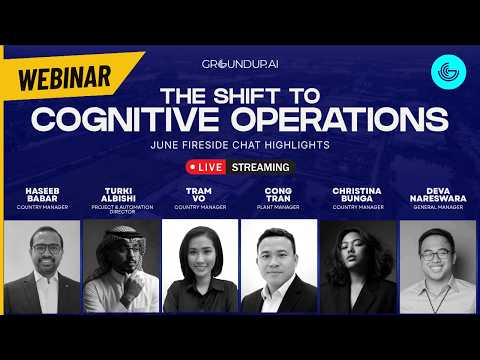
And there is a lot of noise. As Said Toure, General Manager of the Agribusiness Division at Matar Holding, put it in a recent Groundup.ai fireside chat:
Walk into any manufacturing plant and you’re overwhelmed by the noise, by the vibration, by all these machines running left and right. It gives the impression that there’s a lot of data to be collected, and it’s all scattered everywhere.
More sensors and more alerts do not fix that. They make it worse. A dashboard that cries wolf forty times a day is not monitoring. It is training your best people to look away.
Why Do Experienced Technicians Start Ignoring Alerts?
They ignore alerts because the volume of false alarms outpaces human reaction time. This is not carelessness. It is a limit on attention. As Said reminded us:
Humans are very intelligent beings, but their understanding, reflection, and reaction takes time.
When every alert demands a judgment call, real or not real, act or ignore, you are asking exhausted people to be perfect referees hundreds of times a week. Eventually the odds catch up.
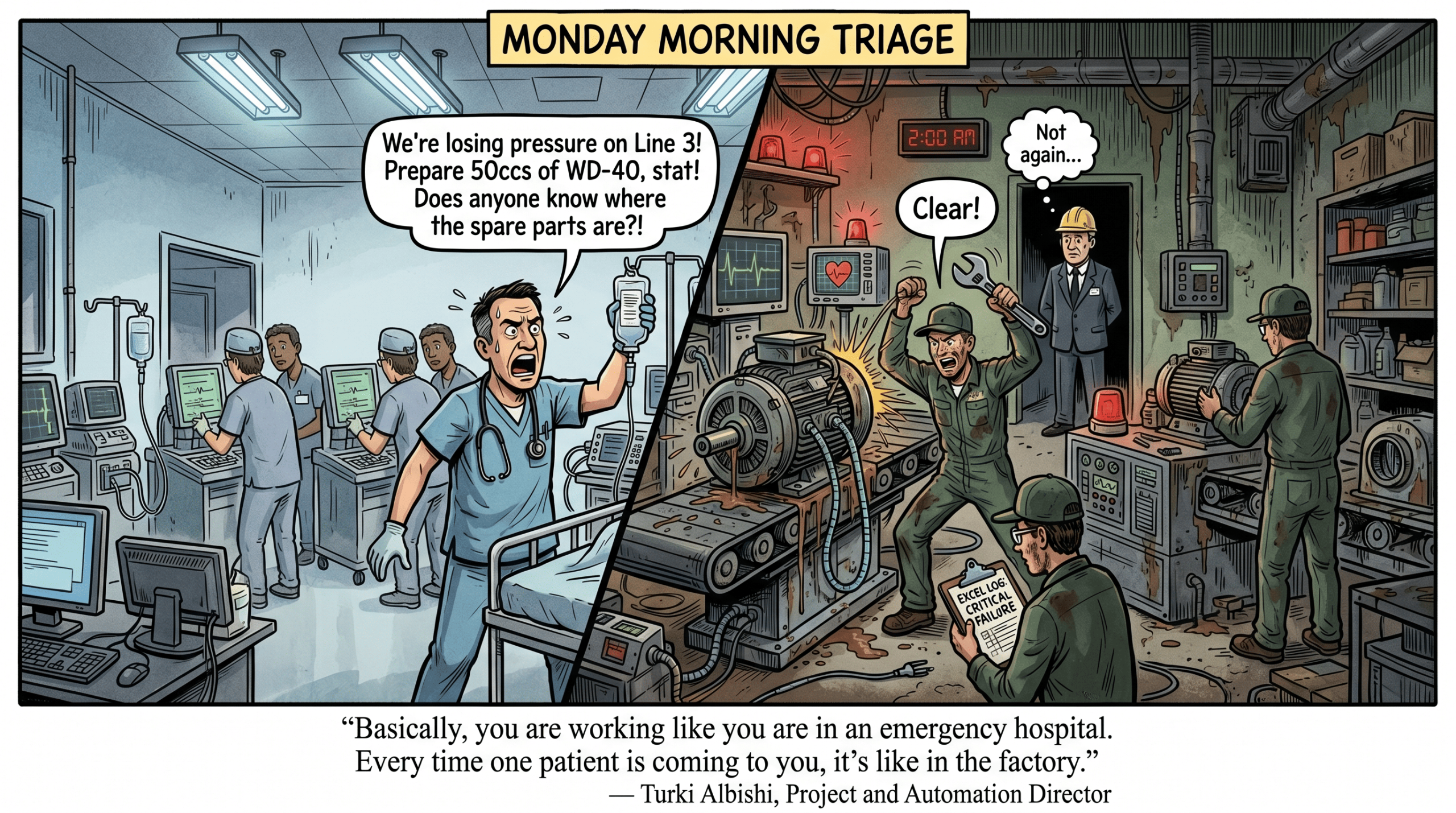
Without a system that separates signal from noise, the default is firefighting. Turki Albishi, Project Automation & Director at YAT Solution Company, called any unplanned breakdown a nightmare, and the worst ones always come at night. His deeper frustration was the blind spot:
You don’t have any device to tell you in advance. When it’s happened, then you have to start your activity.
That trap does not disappear once the data exists. Deva Nareswara, a plant General Manager in Indonesia, described the pattern many operations get stuck in (speaking in Indonesian, translated):
Maintenance stays reactive, while production keeps getting pushed harder and more aggressively.
By the time the alarm is undeniable, the loss has already happened.
What is Cognitive Maintenance?
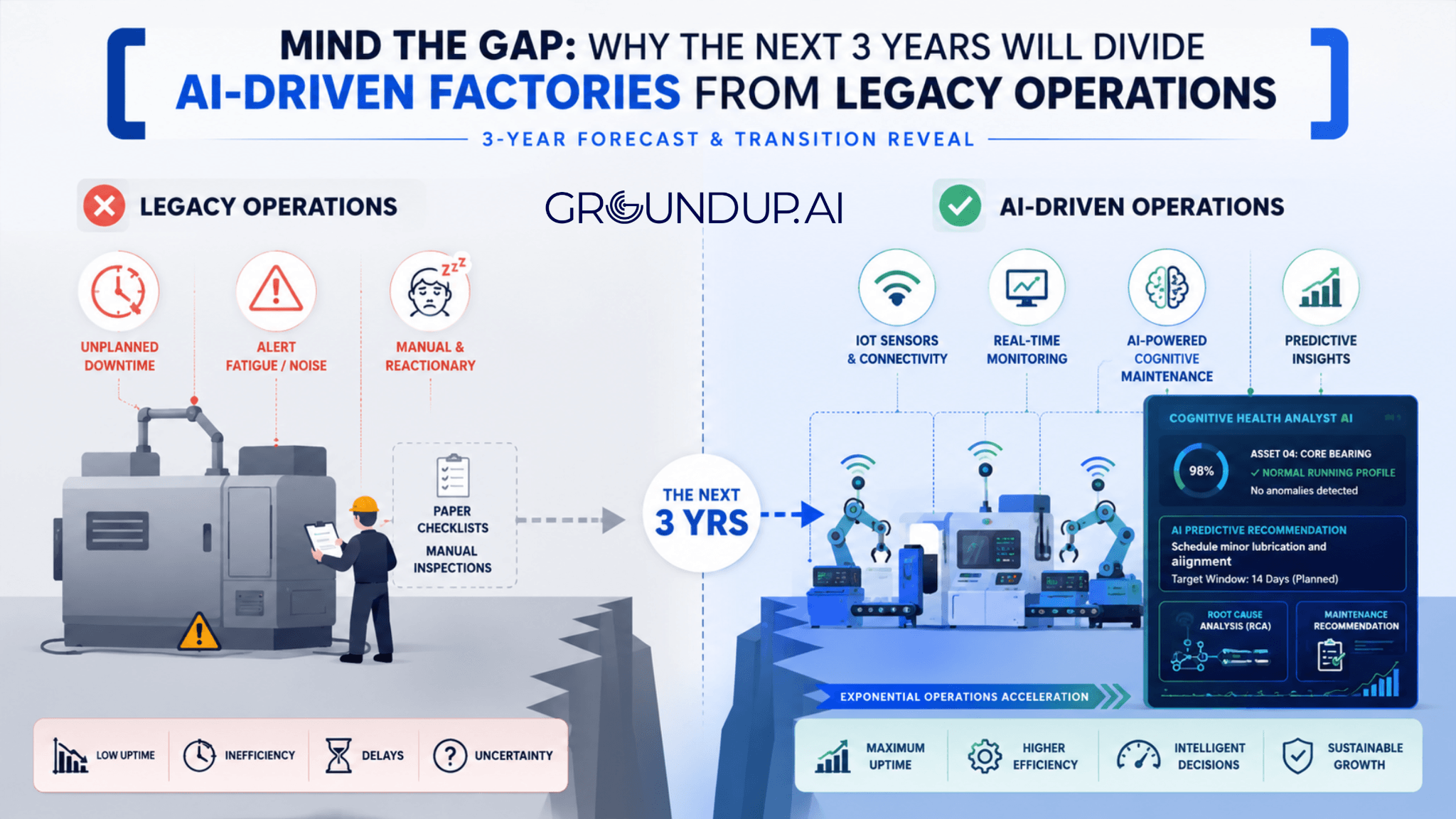
Cognitive maintenance is an approach to industrial maintenance in which AI does more than fire predictive alerts. It reasons about what changed on an asset, diagnoses the likely cause, and guides operators to the specific machines that need attention. It is the shift the most demanding operators are making, from reactive maintenance to #CognitiveMaintenance, and it is what separates Groundup.ai from legacy predictive maintenance.
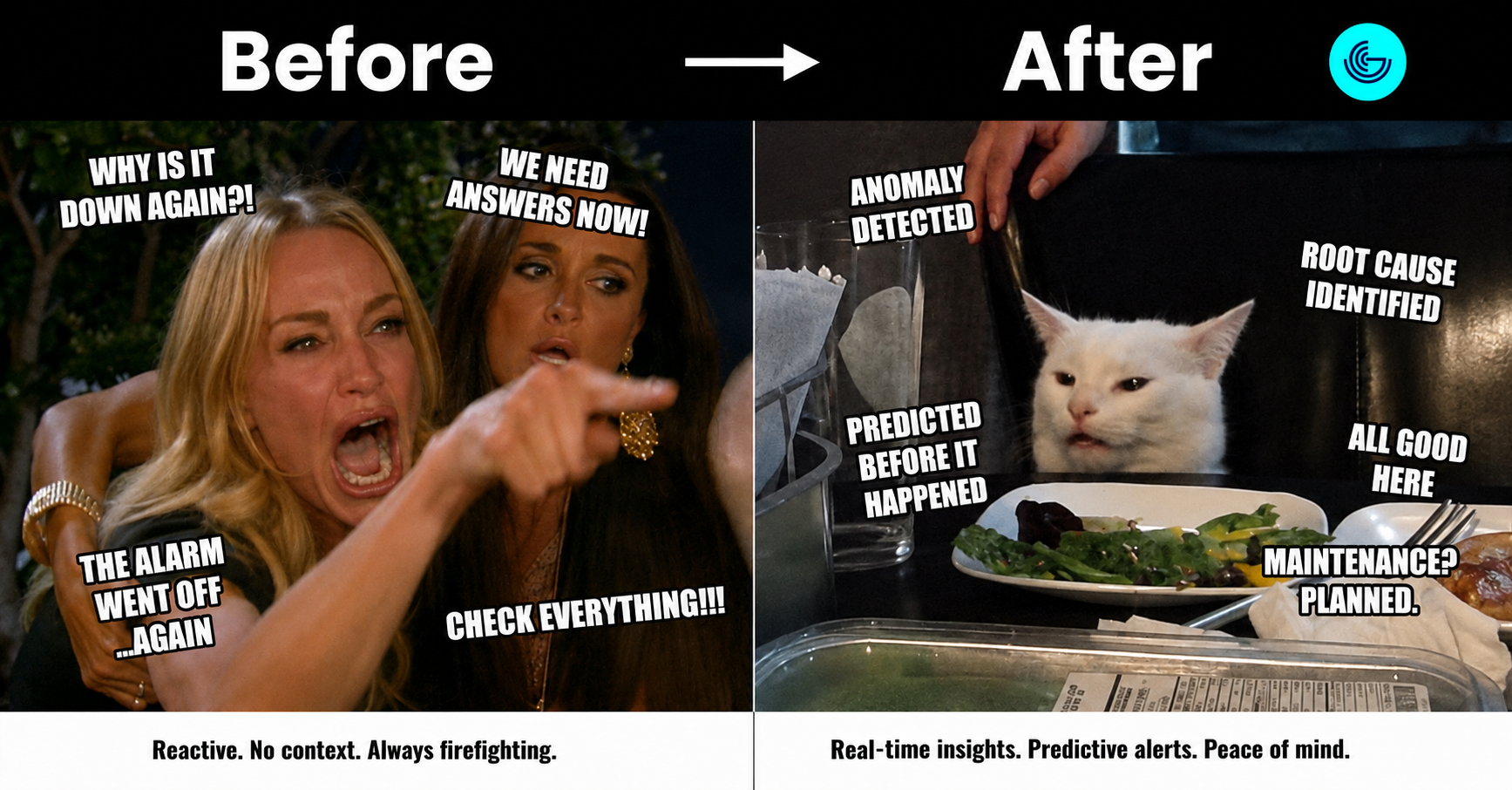
The difference is not more alerts. It is alerts you can trust.
How Does Cognitive Maintenance Reduce False Alarms?
It reduces false alarms by separating signal from noise before an alert ever reaches a person. Instead of a wall of blinking lights, a technician gets a short, ranked list of assets that genuinely need attention.
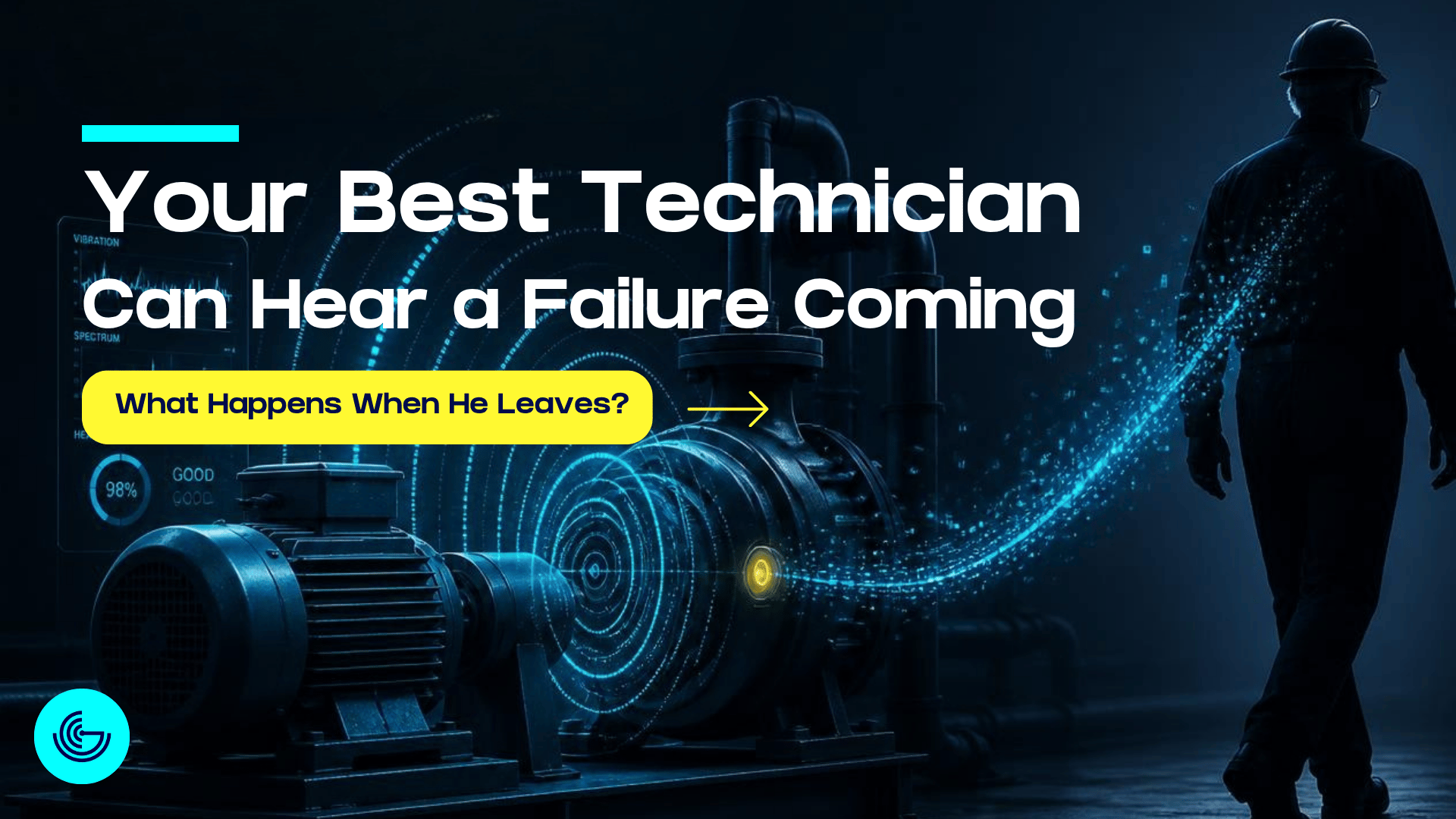
AI here does not replace engineers. It arms them. It hands a 20-year technician a shortlist worth walking to, early enough to plan around. In Deva Nareswara’s operation, that looked like the system calling a failure three days before it happened.
Trust, though, is not won by mandate. It is won by proof, and it is built from the ground up. Thomas, who leads digitalisation across one Indonesian group’s operations, put it simply (speaking in Indonesian, translated):
We always start small. We build trust among our coworkers that this solution really becomes a standard that helps.
What turns a skeptical floor team around is the first time the system catches something their spreadsheet missed: a bearing, a pump, a subtle drift no human roster was going to notice on a Saturday. It is the proof, not the mandate.
Does Cognitive Maintenance Actually Work?
Yes, and the outcomes are measurable. Republic of Singapore Navy has run 22 consecutive months of zero unplanned downtime under cognitive monitoring. In Saudi Arabia, one catch on a single pump saved a Coca-Cola facility USD $243,000.
Those are not stories about smarter machines. They are stories about warnings people finally believed, and acted on in time.
Turn Chaos into Calm
The shift from reactive to cognitive maintenance is not really about technology. It is about culture, trust, and the willingness to let data lead the decision.
False alarms do not just waste time. They quietly retrain your most experienced people to distrust the one system meant to protect the line. Fix the trust problem, and you turn chaos into calm, from reacting to responding. That is the power of smarter maintenance, and it is why the John on Line 3 deserves better than another alert he has learned to ignore.
Frequently Asked Questions
What is alarm fatigue? Alarm fatigue is the desensitisation that happens when operators receive so many false or low-value alerts that they stop responding to them, which raises the risk of missing a genuine failure warning.
What causes false alarms in predictive maintenance? False alarms are usually caused by systems that flag every change in noise, vibration, or sensor data without reasoning about whether the change actually matters, which floods operators with alerts that do not require action.
How is cognitive maintenance different from predictive maintenance? Traditional predictive maintenance predicts failures and issues alerts. Cognitive maintenance goes further: it reasons about what changed, diagnoses the cause, and guides operators to the exact assets that need attention, so teams get fewer and more trustworthy alerts.
What does unplanned downtime actually cost? The cost of unplanned downtime is rarely the repair. It is the lost production, missed orders, emergency labour, and expedited spare parts that stack up while a line is stopped, which is why preventing it early has an outsized return.
How do you get technicians to trust an AI maintenance system? Trust comes from proof, not mandates. It builds when the system catches a real issue a spreadsheet or manual roster missed, ideally starting small on one line before scaling across the plant.
Written by Groundup.ai. Groundwork Wednesdays is our weekly series bringing one hard truth from the factory floor to the surface, drawn from the operators, engineers, and plant leaders we sit with across Manufacturing, Maritime, and Critical Infrastructure.
Ready to see what trustworthy alerts look like on your line? Talk to our #Groundbreakers about starting small on a single asset.